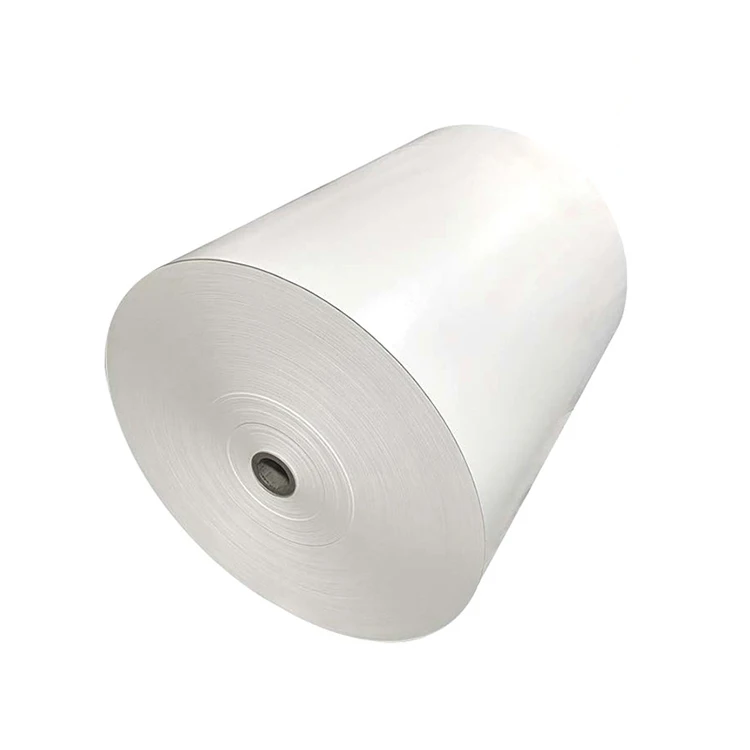
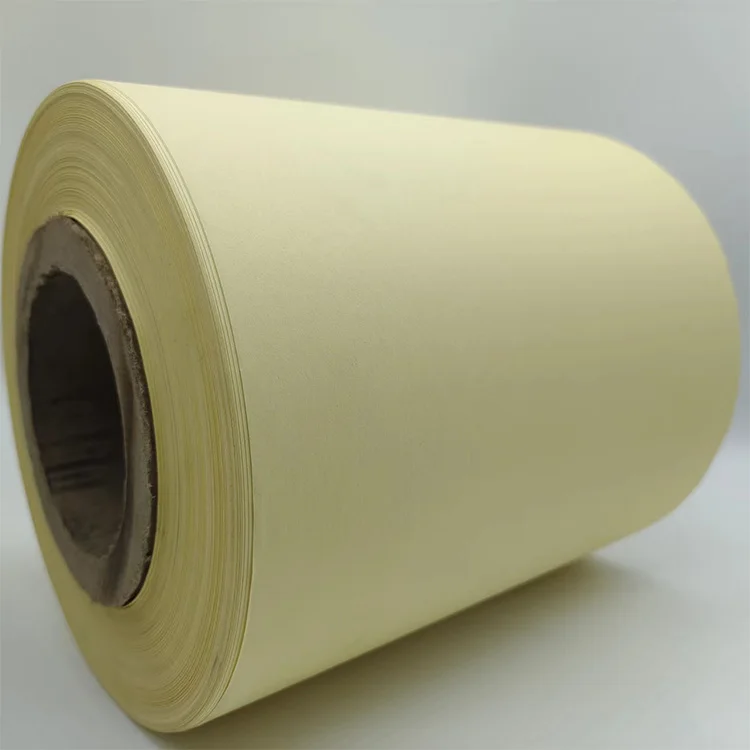
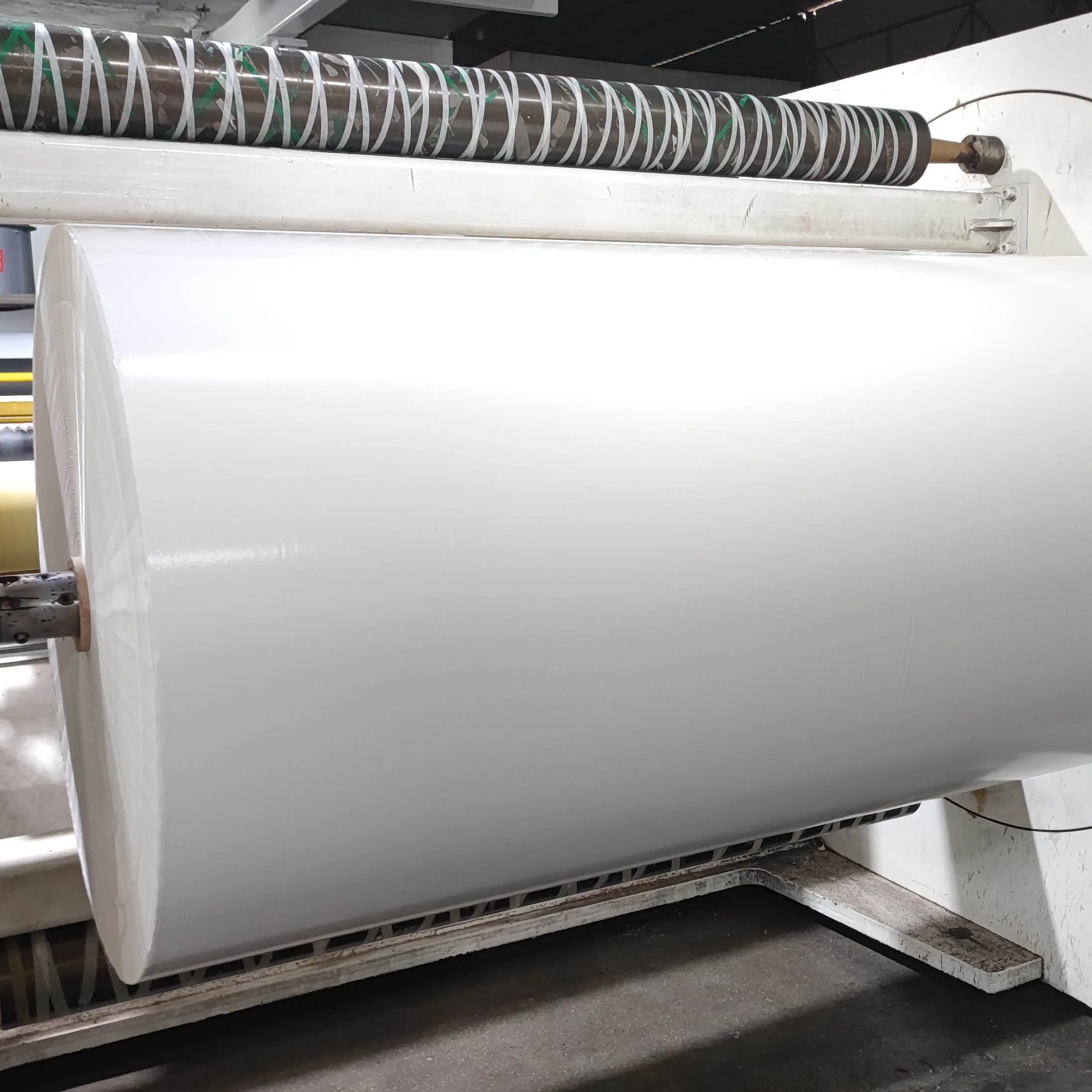
Silicone paper is a carrier, not a label. Its job is to hold an adhesive face through coating, printing, die-cutting and application, then let go cleanly at the moment of use. When it does that well, nobody notices it; when it does not, the symptoms appear on the label — curling edges, adhesive transfer, or a die-cut that will not release.
The performance comes from three variables: the base paper, the silicone coat weight and the cure. The same 80 gsm glassine can be a good liner for one adhesive and a poor one for another.
Base paper: glassine, kraft or film
Glassine is supercalendered, dense and smooth, which gives consistent release and low stretch during converting — it is the default liner for labels. Kraft liners are rougher and cheaper, used where the liner is less critical or where a thicker, stiffer sheet is wanted for sheeting. Film liners, usually PET, are chosen where dimensional stability through heat and humidity matters, or where the liner must be transparent. The base determines how the liner behaves on press far more than the silicone does.
Single or double side, and coat weight
Single-side coating is standard for label liners: one face releases the adhesive, the other remains printable and grippable for the feeder. Double-side coating is used for interleaving between tacky sheets, for liners that pass through a press twice, and for processes where both faces contact adhesive. Coat weight is specified independently of grammage. A heavy permanent adhesive needs a heavier release coat to peel cleanly at speed; too light a coat gives a jerky release or fibre tear, and too heavy a coat can cause labels to fly off during high-speed application.
Release value, not just 'silicone'
Two liners described as silicone paper can release very differently. Release force depends on coat weight, cure, the adhesive chemistry and the dwell time before peeling. Acrylic and rubber adhesives respond differently to the same liner, and a liner that suits one supplier's adhesive may be too tight for another. For critical work the release value should be specified and tested with the actual adhesive, not assumed from the datasheet.
Converting, storage and printability
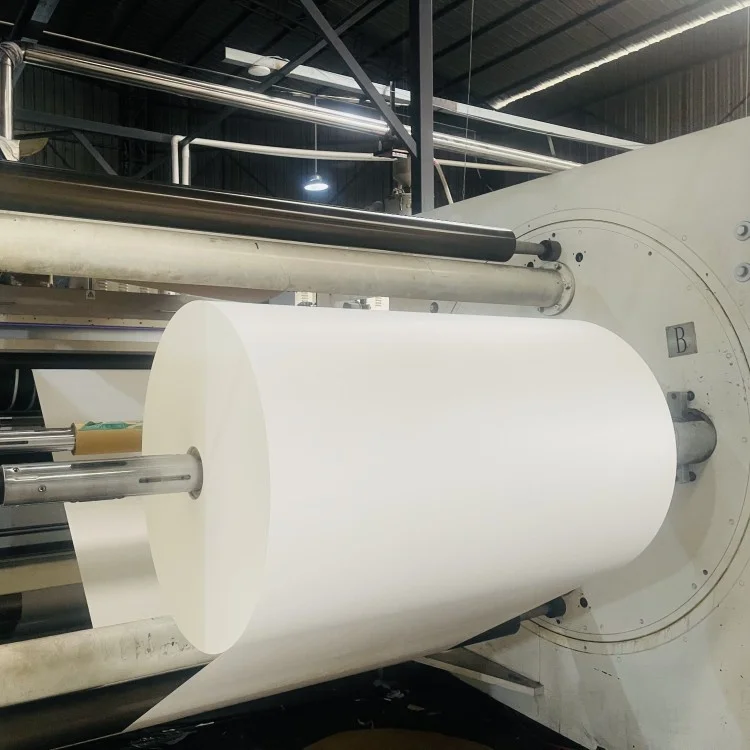
Glassine converts well because it has low stretch: registration holds and die-cutting stays accurate. The uncoated face can be printed for brand or instructions; the silicone face will not accept ink reliably. Storage matters more than most buyers expect — a liner kept in a humid area can cockle, then print out of register or jam a press. Keep rolls wrapped, horizontal and in stable humidity, and use them within the supplier's shelf life.
Produits associés
FAQ
What is the difference between silicone paper and parchment paper?
Both carry a silicone release coating, but they serve different purposes. Parchment is a food-contact baking paper formulated for oven heat and direct food contact; silicone paper for labels is an industrial liner optimised for release force and converting stability.
Is silicone paper food safe?
Only when it is manufactured as a food-contact grade with a suitable base paper and silicone. Industrial release liners should not be assumed to comply, even though the construction looks similar.
Can silicone paper be printed?
The uncoated face can be printed. The silicone face will not hold ink reliably, so the print side must be specified at order stage.
Matériaux associés
Articles associés
Pourquoi le papier glassine siliconé convient-il aux étiquettes ?
Discover why silicone glassine paper is the top choice for durable, eco-friendly labels. Ensures easy release, strong adhesion, and print versatility. Learn more now.
Conseils pour utiliser le papier siliconé en pâtisserie
Maximize your baking efficiency with expert tips on using silicone paper correctly. Discover how to prevent common mistakes, reuse properly, and achieve non-stick, evenly baked results every time. Learn more now.
Quels sont les avantages du papier siliconé pour la cuisson des gâteaux ?
Discover why silicone paper is essential for perfect cakes—non-stick, heat-resistant, and eco-friendly. Improve bake quality and cleanup. Try it today.
Mots-clés associés
Send your adhesive type and label size — we will match a base paper and release level, and cut samples for a peel test.