
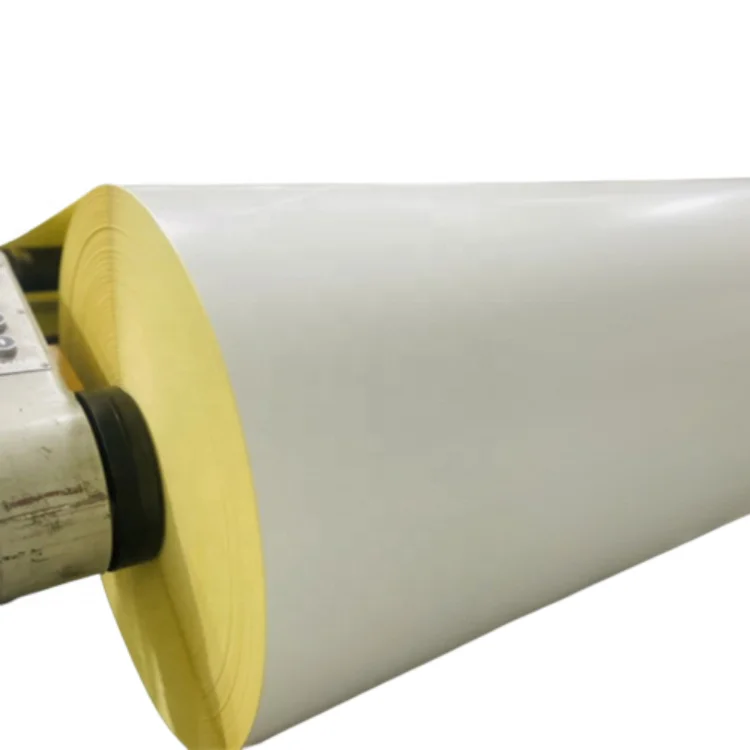
Glassine is a supercalendered paper: the fibres are pressed and polished until the sheet becomes dense, smooth and translucent. That surface is what makes it useful. It accepts a silicone coating evenly, releases cleanly, and stays dimensionally stable as it runs through a label press or a die-cutter.
Most glassine in the label industry is never seen by the end customer. It is the liner that carries the adhesive through coating, printing, die-cutting and application, then gets peeled away and discarded. When it performs badly, the symptoms appear elsewhere: curling labels, adhesive transfer, or a die-cut that will not release.
Grammage and what it changes
Glassine is commonly supplied from 40 to 120 gsm. Light grades around 40–60 gsm are used where flexibility and cost matter, such as interleaving and small labels. Mid-range 70–90 gsm is the typical label liner for sheeted and roll work, offering a balance of stiffness and release. Heavier 100–120 gsm grades resist curl on large-format labels and are easier to handle on high-speed lines. Thicker is not automatically better: a liner that is too stiff can lift small labels at the edges during application.
Single or double side silicone
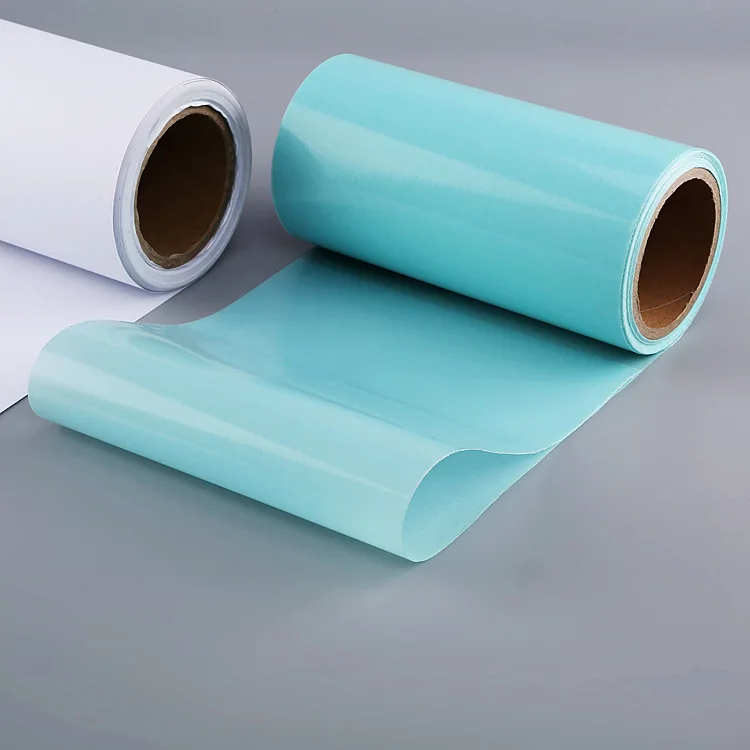
Single-side coating is the standard for label liners: one face releases the adhesive, the other stays printable and grippable. Double-side coating is used where both faces must release — interleaving between tacky sheets, or liners that pass through a press twice. Coat weight is specified separately from grammage, and it should match the adhesive: aggressive permanent adhesives need a heavier release coat to peel cleanly at speed, while light coats suit low-tack or removable systems.
Dimensional stability and converting
Glassine's density gives it low stretch, which is why it converts well: registration holds, die-cutting stays accurate and the liner does not wave after printing. It is also resistant to grease, which makes it useful in food packaging and for oily products. On the press, the main variables are moisture content and roll tension; a liner stored in a humid area can cockle and then print out of register.
Specifying a glassine liner
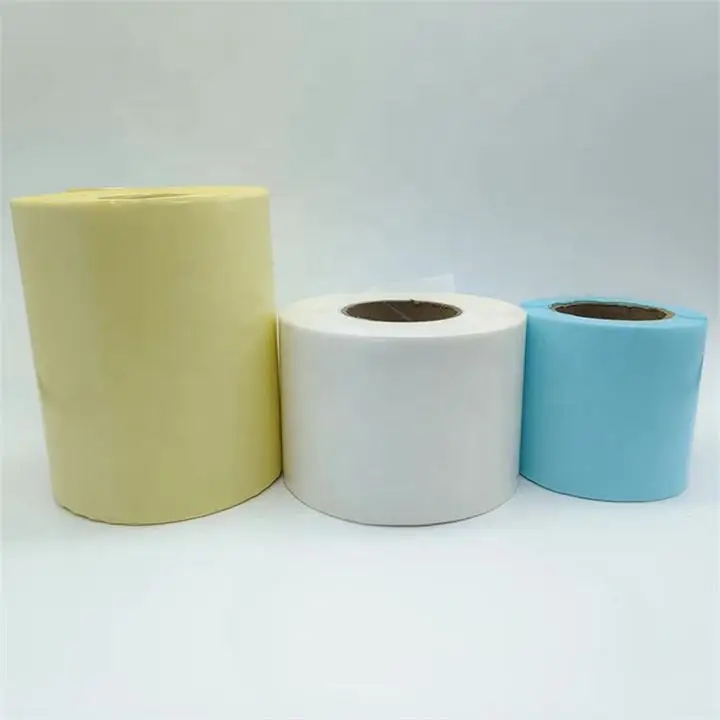
Send the adhesive type, the label size and the converting process, and state whether the liner will be printed. Confirm the release value you need — too easy a release causes labels to fly off at high speed, too tight a release causes web breaks. We supply single and double side coated glassine across the 40–120 gsm range, slit to width, with samples for a peel test on your adhesive.
Produits associés

FAQ
What is the difference between glassine and kraft liner?
Glassine is supercalendered and therefore denser and smoother, with better release consistency and dimensional stability. Kraft liners are rougher and cheaper, and are used where the liner is not critical to converting precision.
Is glassine food-safe?
Food-contact grades are available, but the declaration depends on the base paper and the silicone used. Industrial liner grades should not be assumed to be food-contact compliant.
Can glassine be printed?
The uncoated face can be printed, and it is often used for brand print on the liner. The silicone face will not accept ink reliably, so the print side must be specified.
Matériaux associés
Articles associés
Pourquoi le papier glassine siliconé convient-il aux étiquettes ?
Discover why silicone glassine paper is the top choice for durable, eco-friendly labels. Ensures easy release, strong adhesion, and print versatility. Learn more now.
Conseils pour utiliser le papier siliconé en pâtisserie
Maximize your baking efficiency with expert tips on using silicone paper correctly. Discover how to prevent common mistakes, reuse properly, and achieve non-stick, evenly baked results every time. Learn more now.
À quoi sert le papier glassine siliconé dans la fabrication d'étiquettes ?
What is silicone glassine paper used for in label making? Discover its critical role as release liner for adhesives, durability benefits, and industry applications. Learn how it boosts print quality & production efficiency—download our B2B guide now.
Mots-clés associés
- glassine-papers
- silicone-glassine-paper
- silicone-glassine-paper-for-thermal-labels
- silicone-glassine-paper-for-adhesive-labels
- high-temperature-resistant-silicone-glassine-paper
- silicone-glassine-paper-for-barcode-labels
- silicone-glassine-paper-for-logistics-labels
- white-silicone-glassine-paper
- yellow-glassine-paper
- blue-glassine-paper
- waterproof-silicone-glassine-paper
Send your adhesive and label size — we will match a glassine grammage and release level, and cut samples for a peel test.