
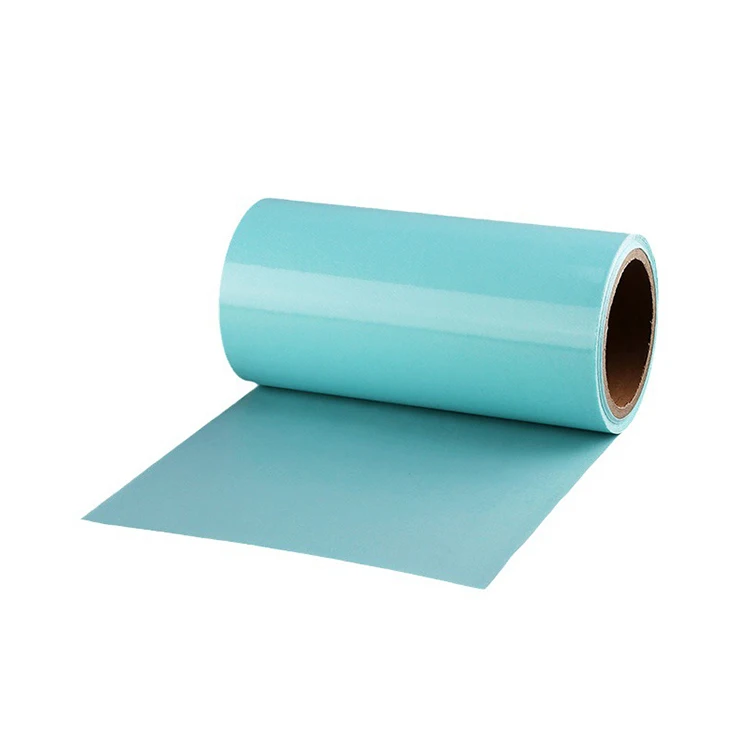
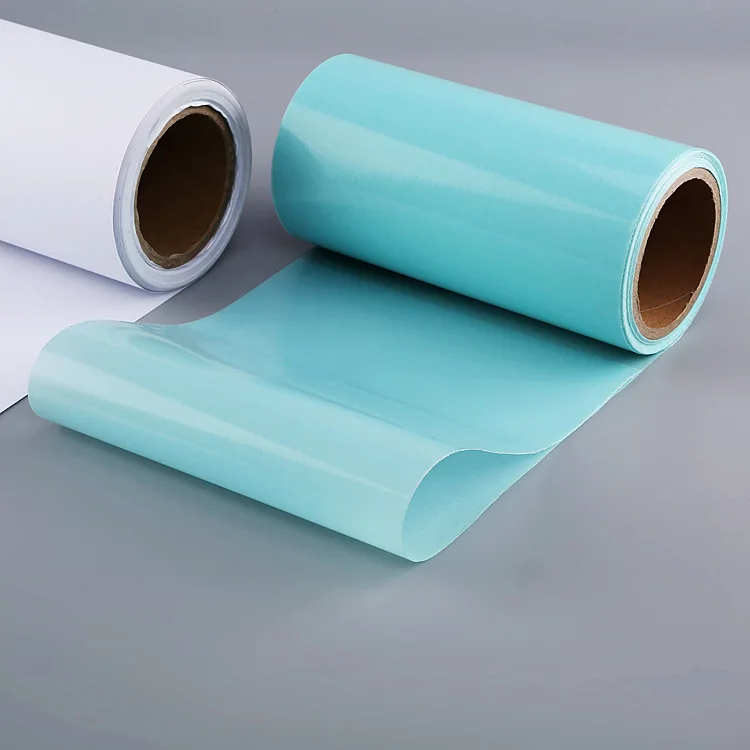
Parchment paper with silicone is a game-changer in the baking and cooking industry. This innovative product offers a non-stick surface that ensures effortless food release, making it ideal for baking cookies, pastries, and roasting vegetables. Its heat resistance allows for safe use in high-temperature environments, while the silicone coating enhances durability, preventing tearing and enhancing longevity. Moreover, this parchment paper is environmentally friendly, often made from sustainable sources, and is compostable, appealing to eco-conscious consumers. With its ability to withstand both high and low temperatures, it serves as a versatile tool in both home kitchens and professional bakeries, allowing for seamless cooking and baking experiences.
Transforming Baking with Silicone-Coated Parchment Paper
A local bakery faced challenges with sticking cookies and uneven baking. The non-stick feature allowed them to present perfect cookies that required no additional grease, enhancing their product quality and customer satisfaction.
Silicone Parchment Paper Boosts Organic Meal Prep’s Eco & User Ratings
An organic meal prep company sought a sustainable solution for their packaging needs. They adopted our silicone parchment paper, which not only met their eco-friendly standards but also provided a reliable non-stick surface for their meal kits. This innovation improved their customer feedback, as clients appreciated the ease of meal preparation and the environment-friendly packaging.
Heat-Resistant Silicone Parchment Preserves Catering Food Quality & Repeat Business
A catering service specializing in gourmet meals struggled with maintaining food quality during transport. After incorporating our parchment paper with silicone into their operations, they noticed a significant reduction in food spoilage and sticking, which helped them maintain their reputation for quality. The heat resistance of the parchment ensured that their dishes arrived in perfect condition, leading to increased repeat business.
Both cooking at home or at a restaurant, parchment paper with silicone is a very useful material. Here at Dongguan Kjnmatech Co. Ltd, we manufacture parchment paper with silicone coated for the best quality non-stick parchment paper. We take extreme care when making our silicone parchment paper. We have international standards that we meet during the production of every roll of parchment paper. The silicone coating on the parchment paper increases the non-stick abilities while making the paper more resistant to extreme hot and cold temperatures. All of our parchment paper is sourced from certified sustainable managed forests. We take pride in the eco friendly aspects of our product. The parchment paper is fully compostable, a desired trait for those who want to make more sustainable food choices. Regarding our clients in the self-adhesive label industry, we are happy to provide our parchment paper, pastry, and other innovative products to help our clients achieve their desired culinary results.
Exceptional Non-Stick Performance
The silicone coating on our parchment paper provides an exceptional non-stick performance that sets it apart from traditional parchment paper. This feature significantly reduces the need for additional oils or sprays, making it a healthier option for cooking and baking. Users can easily release baked goods such as cookies, cakes, and pastries without any residue left behind, ensuring that every treat is perfectly intact. This non-stick quality not only enhances the overall baking experience but also simplifies the cleanup process, allowing for more time to enjoy the results rather than worrying about scrubbing pans. Additionally, the durability of the silicone layer means that the parchment can withstand multiple uses if handled correctly, making it a cost-effective choice for both home cooks and professional kitchens.
Eco-Friendly and Sustainable
In today’s environmentally conscious market, our parchment paper with silicone stands out as a sustainable choice. Made from responsibly sourced materials, it aligns with the growing demand for eco-friendly products. The compostable nature of the parchment paper ensures that it does not contribute to landfill waste, making it an excellent option for those looking to reduce their environmental footprint. Furthermore, our commitment to sustainability extends to our manufacturing processes, which adhere to strict environmental standards. By choosing our silicone parchment paper, customers can feel good about their purchase, knowing they are supporting a product that is not only high-quality but also kind to the planet. This focus on sustainability resonates with consumers and businesses alike, enhancing brand loyalty and customer satisfaction.
Ähnliche Produkte


FAQ
What are the benefits of using parchment paper with silicone?
Parchment paper with silicone offers numerous benefits, including a non-stick surface that prevents food from sticking, easy cleanup, and heat resistance that allows it to be used in high-temperature baking. Additionally, it is often made from sustainable materials, making it an eco-friendly choice.
Can I use parchment paper with silicone in the oven?
Yes, parchment paper with silicone is designed to withstand high temperatures, making it safe for use in ovens. It can typically handle temperatures up to 450°F (232°C) without degrading or releasing harmful chemicals.
Ähnliche Beiträge
Warum silikonbeschichtetes Glassinpapier für Etiketten geeignet ist
Discover why silicone glassine paper is the top choice for durable, eco-friendly labels. Ensures easy release, strong adhesion, and print versatility. Learn more now.
Warum ersetzt silikonbeschichtetes Backpapier klassisches Pergamentpapier?
Discover how silicone parchment paper offers superior non-stick, durability, and safety for industrial use. Compliant, reusable, and cost-effective—ideal for food, retail, and logistics. Learn more.
Warum ist silikonbeschichtetes Backpapier lebensmittelsicher?
Discover the science behind food-safe silicone parchment paper and how it ensures non-toxic, heat-resistant cooking. Learn more now.