A label sticker is a small engineering decision with a large effect on how a product feels. The same artwork on gloss paper, matte paper or clear film reads as three different brands — and the same adhesive that holds perfectly on a glass jar can fail overnight on a soft plastic bottle.
We manufacture the material and convert it, so the face stock, adhesive, liner and die-cut format can be specified together rather than assembled from whatever is in stock.
Face stock: what the customer touches
Paper is the default for dry goods: it prints well, takes varnish and foil, and costs less. Coated gloss paper gives strong colour and contrast; matte paper reads quieter and resists fingerprints. Thermal paper is for variable data — barcodes, weights, batch codes — and is not intended for long display life. Synthetic films change the proposition: PET is dimensionally stable and water-resistant, PP is softer and conforms to curved containers, and clear film gives the no-label look. For chilled or oily products, film is usually the safer choice.
Adhesive: chosen by surface, not by habit
Permanent acrylic is the general-purpose choice and performs well on glass, metal and coated board. Low-surface-energy plastics such as PP and PE need a stronger or specifically formulated adhesive, otherwise the label lifts at the edges. Chilled and frozen products need an adhesive that tolerates condensation during application. Removable adhesives are for promotions, reuse and price labels, and they have a shorter shelf life. The liner matters too: a glassine liner suits most paper labels, while film liners are used where dimensional stability through the printer is critical.
Finish and conversion
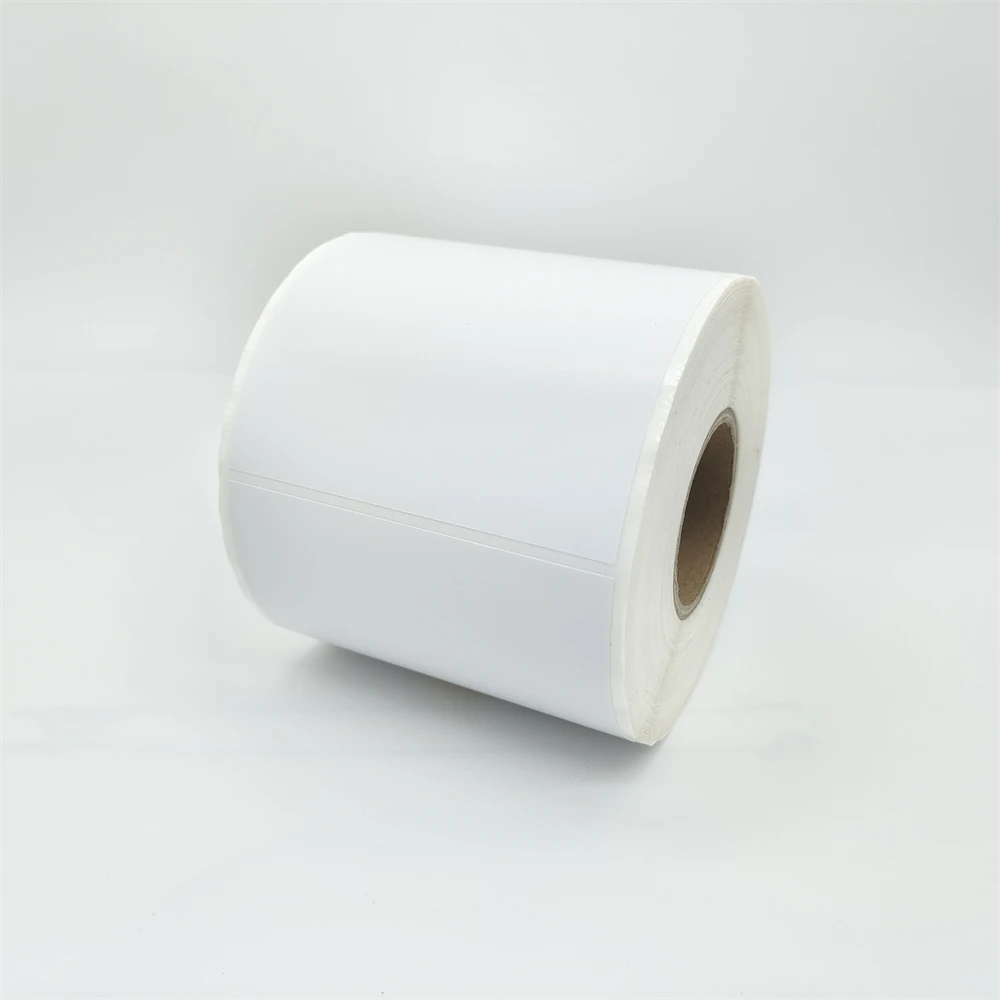
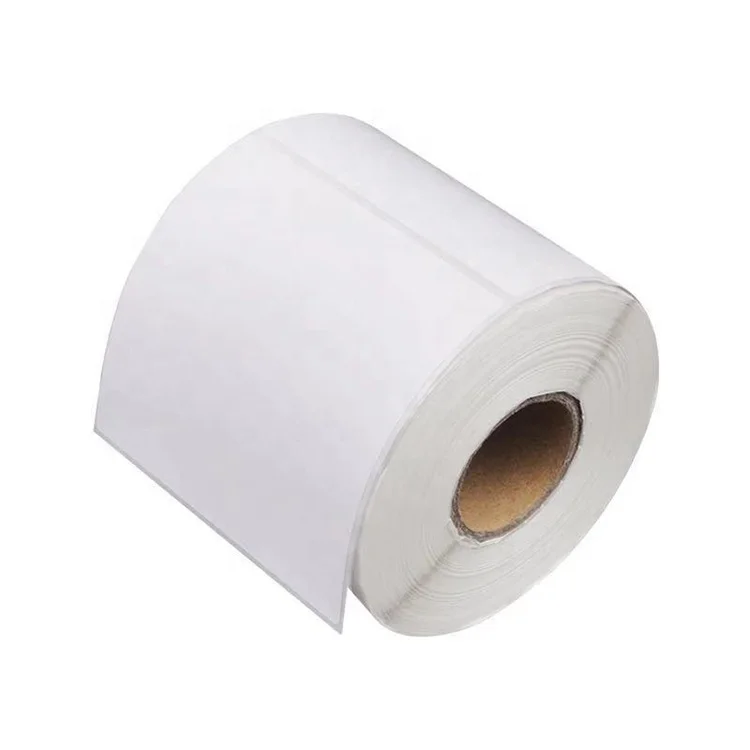
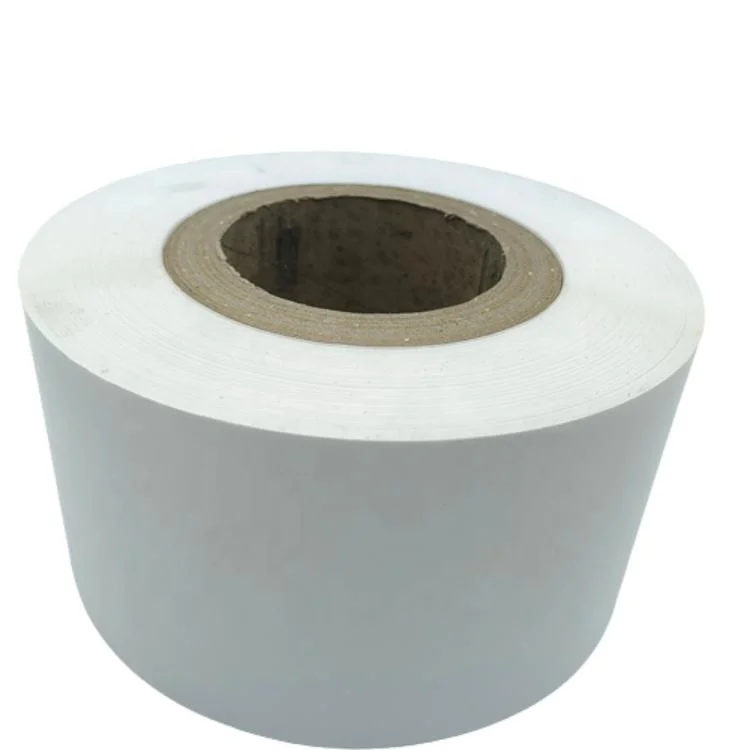
Gloss laminate protects print and adds depth; matte laminate reduces glare and gives a softer feel. Varnish is cheaper but offers less abrasion resistance. Die-cutting determines the silhouette — a standard rectangle is the most economical, while shaped labels need a cutting die and a minimum run. Rolls suit automatic application and thermal printing; sheets suit short runs, hand application and desktop laser or inkjet printing.
Ordering without surprises
Send the artwork, the surface the label goes on, the expected life of the product, and whether labels will be applied by hand or by machine. If the product is chilled, oily, curved or textured, say so at quoting stage — those four conditions account for most adhesion failures. A sample roll on the intended surface is the cheapest way to avoid a production problem.
Ähnliche Produkte
FAQ
What is the difference between paper and film stickers?
Paper is cheaper and prints well but is not water-resistant. Film — PET or PP — resists water and abrasion and conforms better to curved or flexible packaging. The choice usually follows the storage and use conditions, not the artwork.
Can I get labels in custom shapes?
Yes, with a cutting die. Shaped labels have a minimum run to cover die cost; standard rectangles and circles are the most economical formats.
Do you supply sheets as well as rolls?
Yes. Rolls suit automatic application and thermal printers; A4 or custom sheets suit short runs and desktop printing.
Verwandte Materialien
Ähnliche Beiträge
Wo bekommt man individuelles holografisches Aufkleberpapier?
Need premium custom holographic sticker paper for branding or security? Discover vetted B2B suppliers with MOQ flexibility, OEM support, and fast lead times. Request samples now.
Arten von Inkjet-Aufkleberpapier für Fotos
Looking for high-quality inkjet sticker paper for photos? Discover the best types that deliver vibrant, smudge-proof results every time. Buy now!
Warum ist silikonbeschichtetes Backpapier lebensmittelsicher?
Discover the science behind food-safe silicone parchment paper and how it ensures non-toxic, heat-resistant cooking. Learn more now.
Ähnliche Suchbegriffe
Send your artwork and tell us what the label will be applied to — we will propose a face stock, adhesive and finish.