
Gloss sells. A glossy label reads as sharper, more saturated and more premium than the same artwork on matte stock, which is why it dominates cosmetics, beverages and retail packaging. The same reflectivity that makes it look good also makes every fingerprint, scratch and bubble visible.
Choosing gloss is therefore a trade-off, not a default. This page covers when the trade is worth it, and what to do when it is not.
Gloss versus matte, honestly
Gloss gives higher colour density and deeper blacks because light reflects from a smooth surface rather than scattering. Photographs and gradients look richer. Matte scatters light, which softens contrast but hides surface defects, resists fingerprints and accepts handwriting. On dark or highly reflective packaging, a gloss label can catch light along its edge and become conspicuous; on a white carton, it looks integrated. If the label is likely to be touched in store, matte usually photographs better after a week of handling.
Cast-coated versus varnished
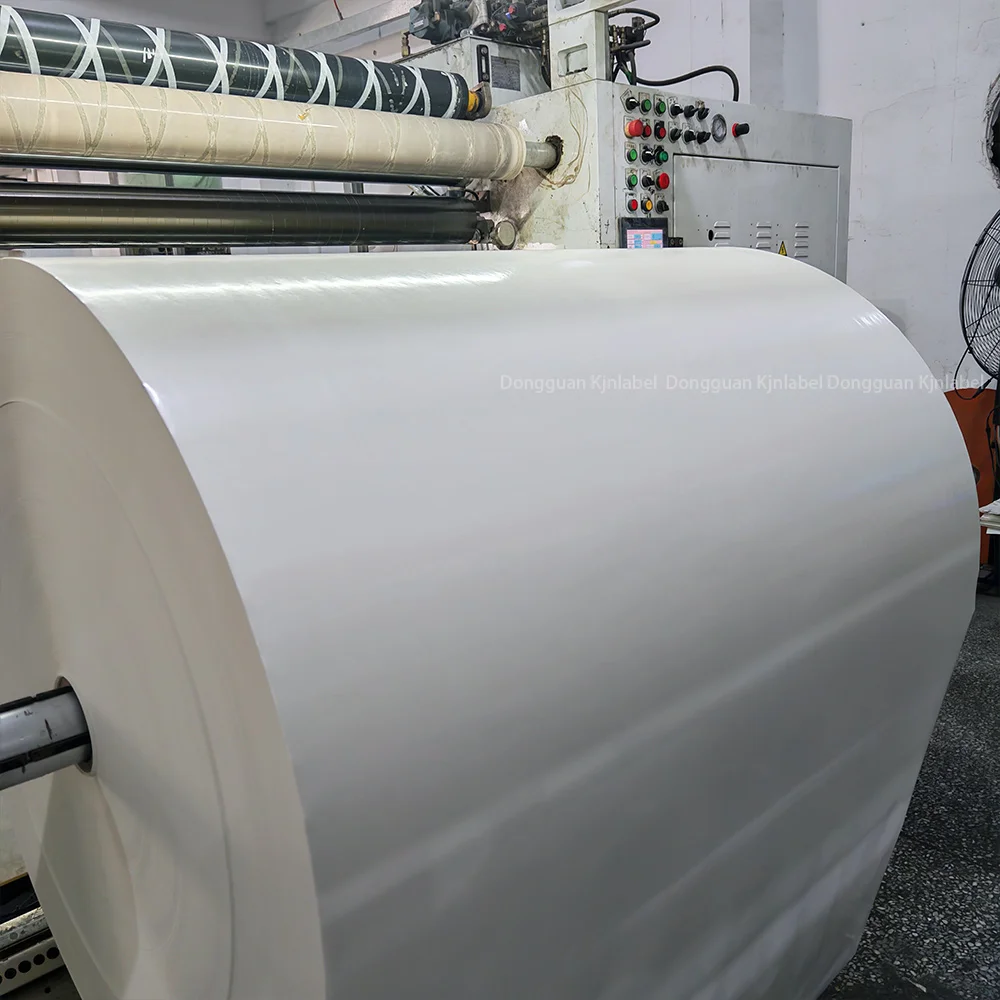
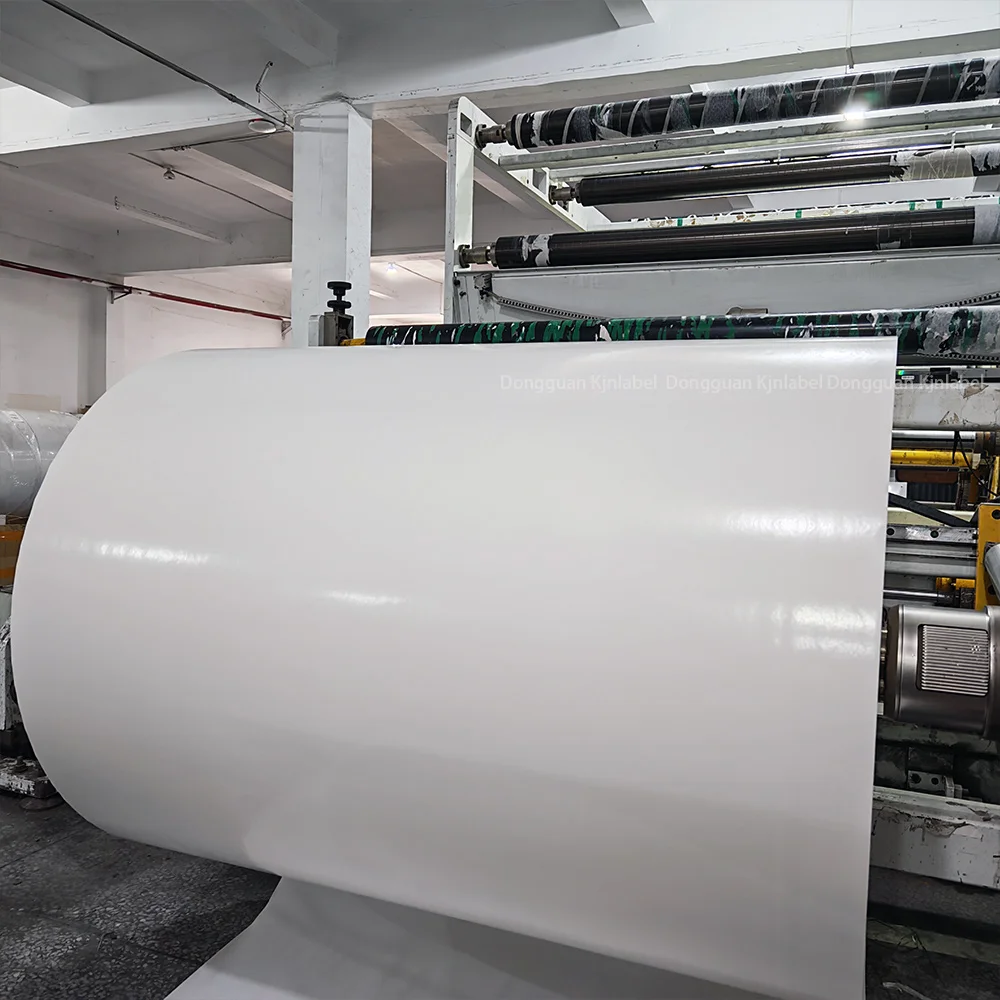
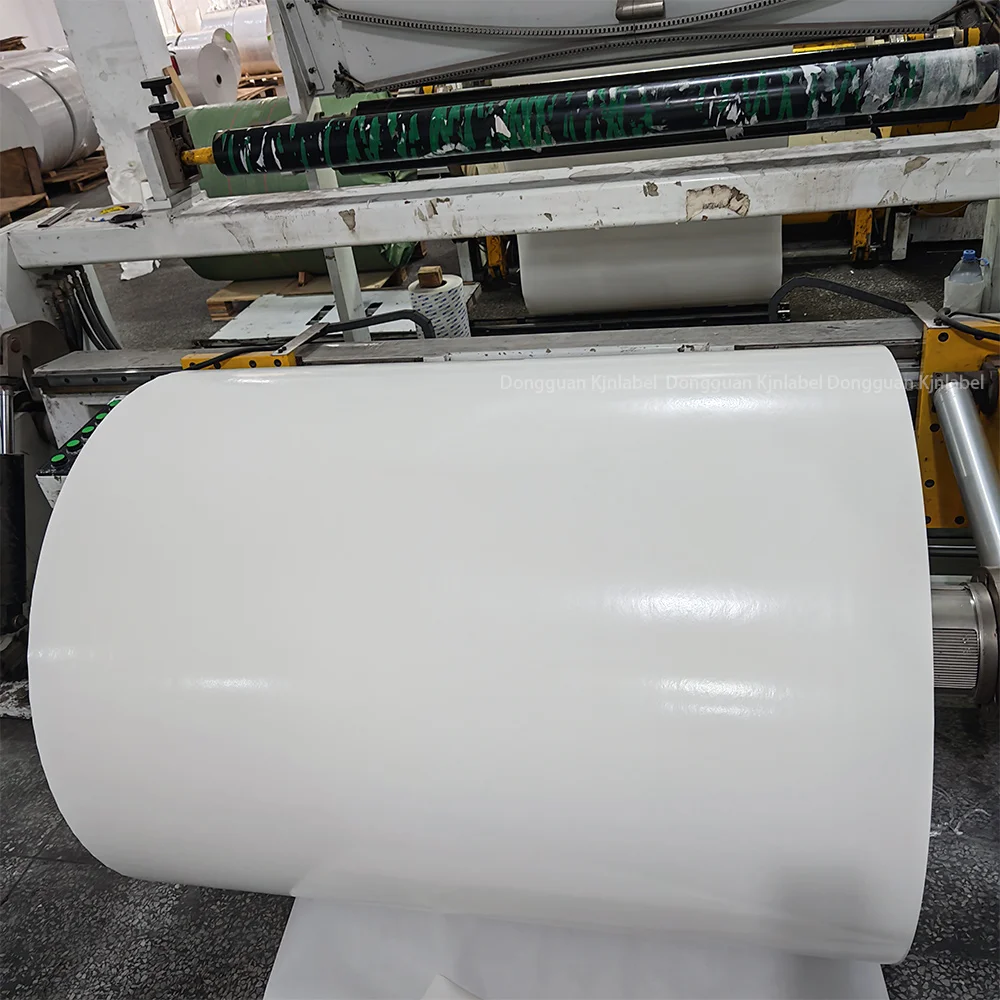
There are two common ways to get a gloss surface. A cast-coated paper is pressed against a polished drum during manufacture, producing a very smooth film with fine dot reproduction. A varnished or lacquered paper is cheaper but shows more texture under raking light and prints photographs less crisply. For barcode and small type, both are adequate; for photographic imagery, cast-coated is visibly better.
Scuffing, moisture and lamination
Gloss surfaces show scuffing more than matte, and paper gloss is not water-resistant. A gloss or matte laminate solves both: it protects the print, adds abrasion resistance and allows the label to survive condensation. The trade-off is cost and stiffness, and a stiff laminate can lift at the edges on tightly curved containers. For short-life retail labels, varnish may be enough; for anything chilled or handled repeatedly, laminate is the safer specification.
Matching the sheet to the printer
Gloss sheets exist for inkjet, for laser and for both. Inkjet gloss needs an ink-absorbent coating under the gloss layer, otherwise ink pools and dries slowly. Laser gloss must pass through the fuser without blistering or offsetting toner onto the rollers. Set the printer to glossy or photo media, print a test sheet, and check drying and adhesion before running a batch. On rolls, confirm the wind direction and core size against the printer.
Related Products
FAQ
Does glossy sticker paper smudge?
Gloss itself does not smudge once ink or toner has fixed, but slow drying inkjet ink on a gloss sheet can transfer if stacked too early. Allow full drying and avoid stacking printed sheets face to face.
Can I write on glossy labels?
Ballpoint and stamp ink do not adhere well to a gloss surface. If handwriting is required, use matte stock or leave an uncoated write-on area in the design.
Is gloss or matte better for product photos?
Gloss reproduces colour more vividly in a studio shot; matte hides fingerprints and reflections in real handling. Many brands use gloss for the hero image and matte for shelf labels.
Related Materials
- Transparent Sticker Paper: Film Choice, Print and the No-Label Finish
- Holographic Sticker Paper: Security, Tamper Evidence and Print Options
- Inkjet Printable Sticker Paper: Coating, Weight and Printer Setup
- Inkjet Vinyl Sticker Paper: Waterproof Sheets That Print and Cut Cleanly
- PP Adhesive Labels: Synthetic Film for Wet, Oily and Squeezable Packs
Related Articles
How to Print Vibrant Colors on Glossy Sticker Paper?
Struggling with dull prints? Discover how to achieve vibrant, long-lasting colors on glossy sticker paper with the right materials, settings, and inks. Print like a pro today.
Why Glossy Sticker Paper Enhances Product Packaging?
Discover how glossy sticker paper enhances product packaging with unmatched print clarity, durability, and strong adhesion. Elevate brand identity and stand out on shelves—learn more.
Types of Inkjet Sticker Paper for Photos
Looking for high-quality inkjet sticker paper for photos? Discover the best types that deliver vibrant, smudge-proof results every time. Buy now!
Related Keywords
- glossy-sticker-paper
- gloss-paper-stickers
- glossy-paper-for-stickers
- glossy-sticker-printing-paper
- glossy-sticker-paper-printing
- glossy-sticker-paper-a4
- gloss-vinyl-sticker-paper
- photo-glossy-sticker-paper
- glossy-inkjet-sticker-paper
- sticker-paper-glossy-a4
- glossy-label-paper
- glossy-adhesive-paper
- gloss-adhesive-paper
- glossy-self-adhesive-paper
- gloss-self-adhesive-paper
- gloss-sticker-sheets
- mirror-coated-paper
Send your artwork and the container it goes on — we will recommend cast-coated or matte stock and whether a laminate is needed.